AI · Performance Management · Business Strategy · Talent Optimization · Employee Engagement · Employee Retention · Talent Strategy · HR technology
Published
In today's data-driven world, businesses are constantly seeking ways to leverage information to gain a competitive edge. While many organizations have embraced data-driven decision-making in areas like marketing and sales, the potential of ...
In today's data-driven world, businesses are constantly seeking ways to leverage information to gain a competitive edge. While many organizations have embraced data-driven decision-making in areas like marketing and sales, the potential of talent data often remains untapped.
Tyler Marcus, co-founder of Gradmor, a leading workforce intelligence platform, believes that organizations are sitting on a goldmine of talent data that can be used to drive significant business outcomes. "...people don't realize the impact of talent analytics or data in the same way that people see it when they do marketing analytics or sales," says Marcus. And while they may track basic metrics like headcount and turnover, they don't go deep enough to understand the underlying drivers of those metrics.
Data Collection and Underutilization
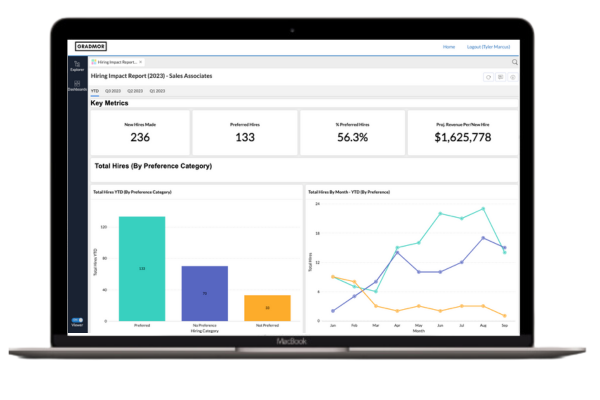
One of the first steps in leveraging workforce intelligence is to ensure you are collecting the right data. Marcus emphasizes the importance of having systems in place that capture relevant information throughout the employee lifecycle. This includes data from performance management systems, HRIS platforms, and even applicant tracking systems.
However, many organizations struggle with data collection, often relying on outdated methods like spreadsheets, which can lead to inaccuracies and inconsistencies. Marcus advises companies to invest in robust HR technology that can streamline data collection and ensure data integrity.
But software isn't everything. Even when organizations have access to valuable talent data, they often fail to utilize it to its full potential. Marcus points out that many companies only use data for basic reporting purposes, such as tracking headcount or turnover rates. They miss out on the opportunity to use data for more strategic purposes, such as identifying high-potential employees, predicting future talent needs, or improving employee engagement.
This underutilization of data can be attributed to several factors, including a lack of understanding of the value of talent data, insufficient data literacy within HR teams, and a reliance on outdated HR practices. To overcome these challenges, Marcus suggests that organizations invest in training and development to build data literacy within HR, adopt a more data-driven mindset, and partner with workforce intelligence experts like Gradmor to gain valuable insights from their data.
Key Points for Talent Management
Marcus emphasizes that the key to successful talent management is to connect data to business outcomes, move beyond vanity metrics like applicant numbers, and focus on data that directly impacts revenue and profitability.
Some of the key data points that companies should be tracking include:
- Performance data: This includes metrics like sales figures, customer satisfaction scores, and productivity metrics.
- Retention data: This includes metrics like turnover rates, average tenure, and employee satisfaction scores.
- Behavioral data: This includes data from behavioral assessments, personality tests, and other tools that measure employee traits and tendencies.
Barriers to Data-Driven Talent Management
While many organizations recognize the importance of data-driven talent management, there are still some barriers to adoption, as many organizations struggle to fully embrace this approach. Many HR professionals and business leaders still view HR as a cost center rather than a strategic asset, failing to recognize the significant impact talent can have on the bottom line.
Additionally, many HR teams may either lack the training necessary to analyze and interpret talent data or be using outdated practices, such as HR systems that don’t work together. As technology grows it is important to have an open mind when it comes to implementing newer practices and participating in newer training programs.
Despite these barriers, Marcus is optimistic about the future of workforce intelligence. He predicts that it will become increasingly integrated with other business functions, such as finance and operations. He believes it will allow organizations to make more holistic decisions about their workforce and drive even greater business outcomes.
Leverage Your Data
The power of data in talent management is undeniable. By embracing data-driven decision-making, organizations can gain a significant competitive advantage. Gradmor is leading the way in helping organizations unlock the full potential of their talent data. With its innovative platform and expert insights, Gradmor is empowering organizations to build a more engaged, productive, and profitable workforce.
This article is part of a larger profile on Gradmor. Check out my interview with Tyler Marcus and the other articles here.